 Orders
 Addresses
 Payment methods




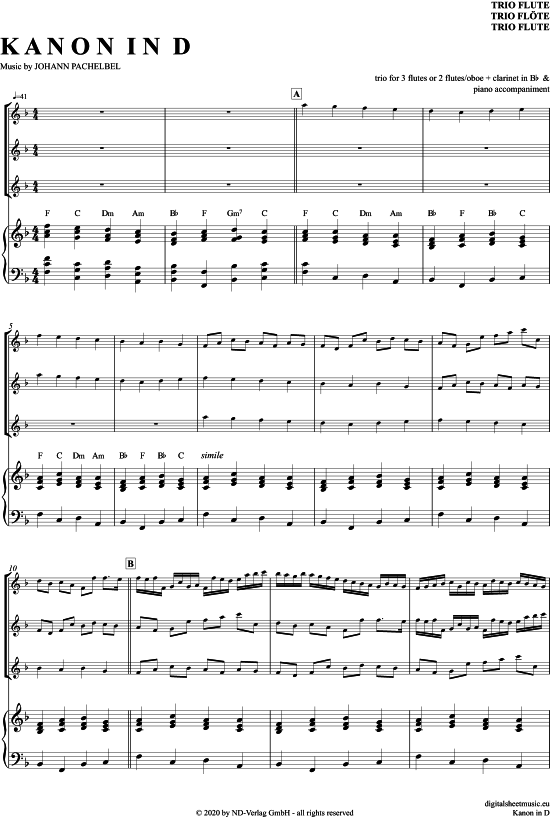
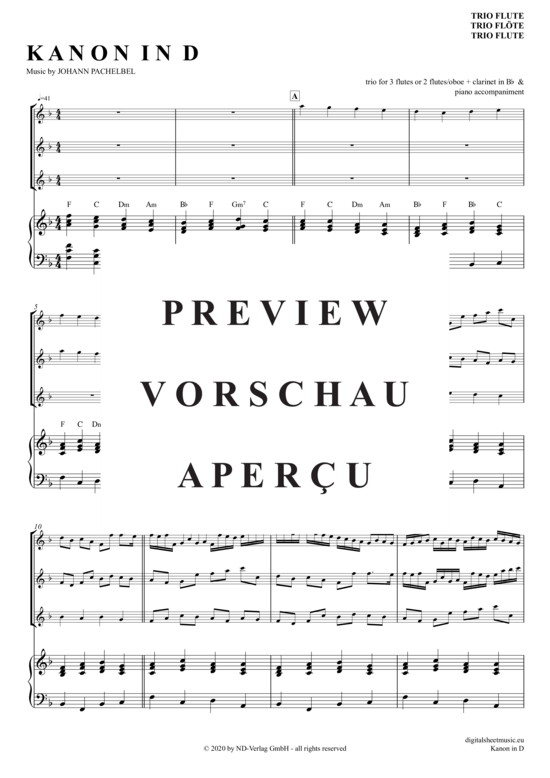
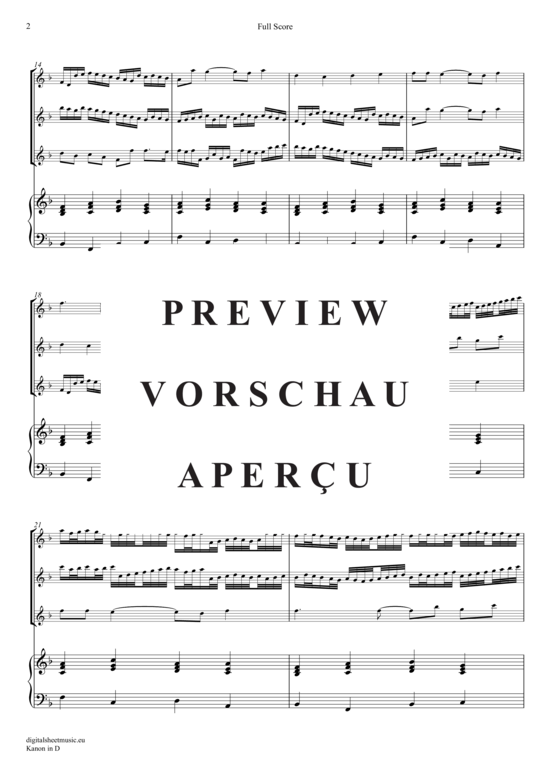
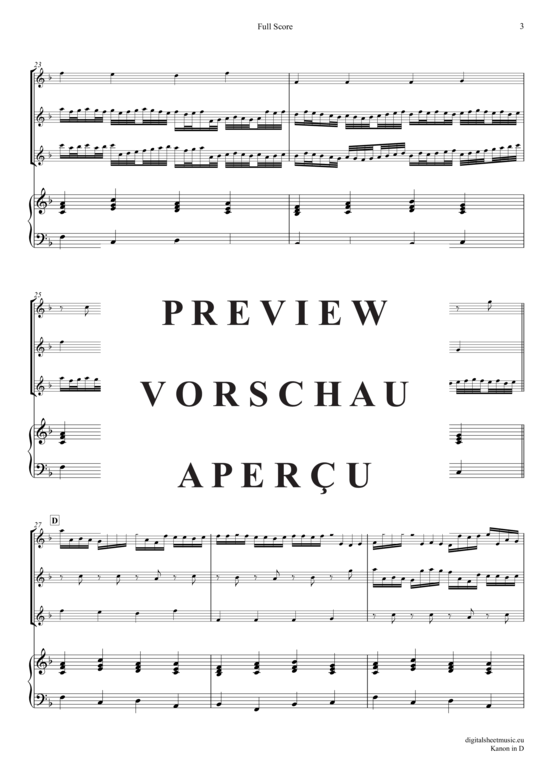
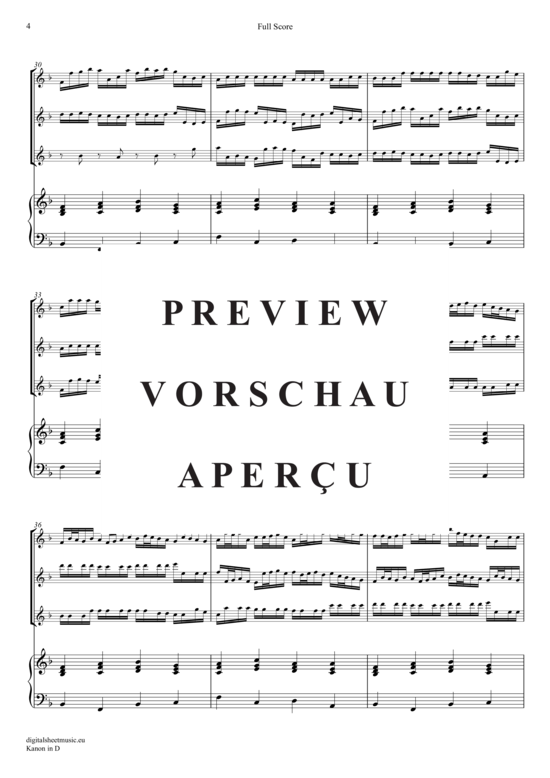
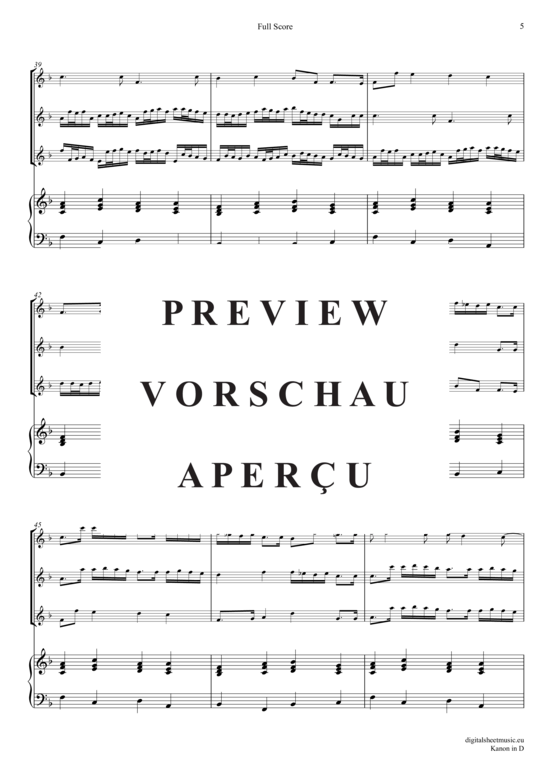
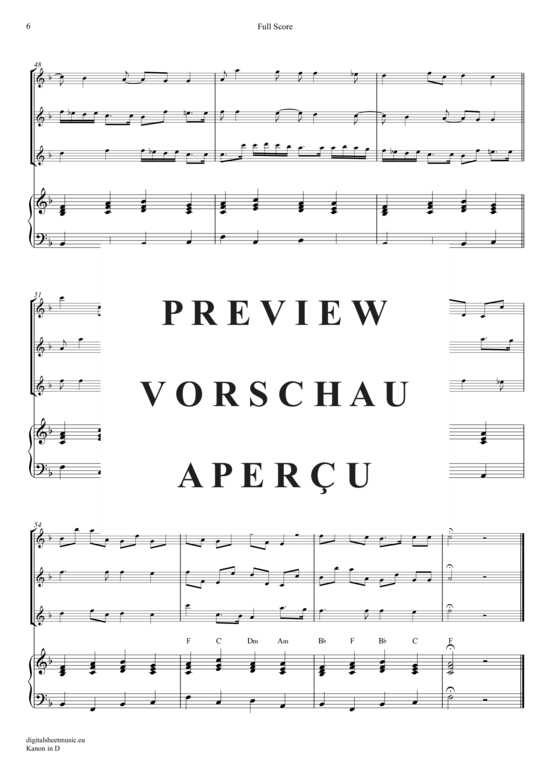
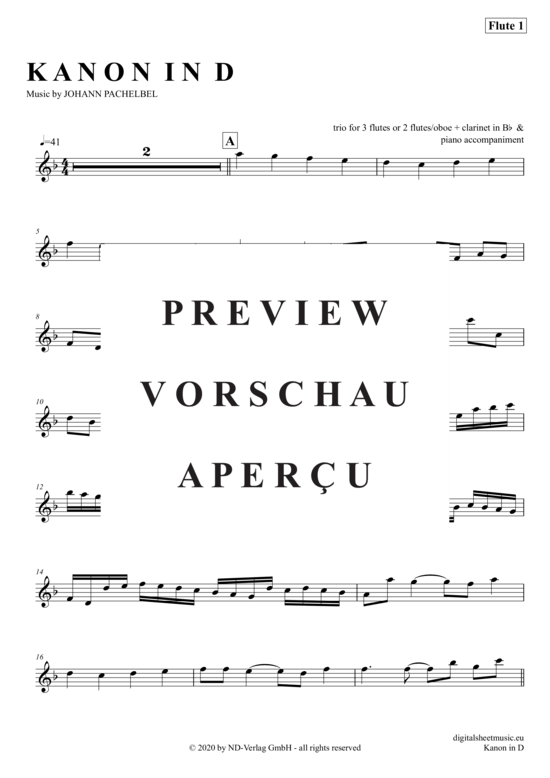
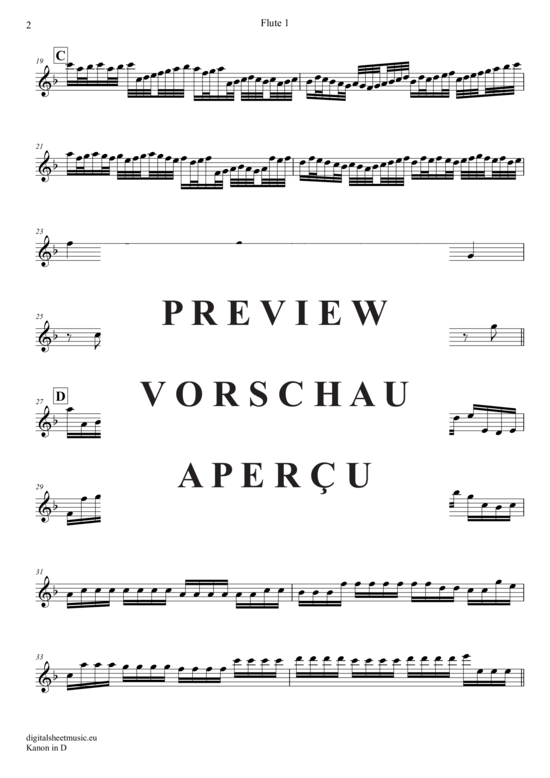
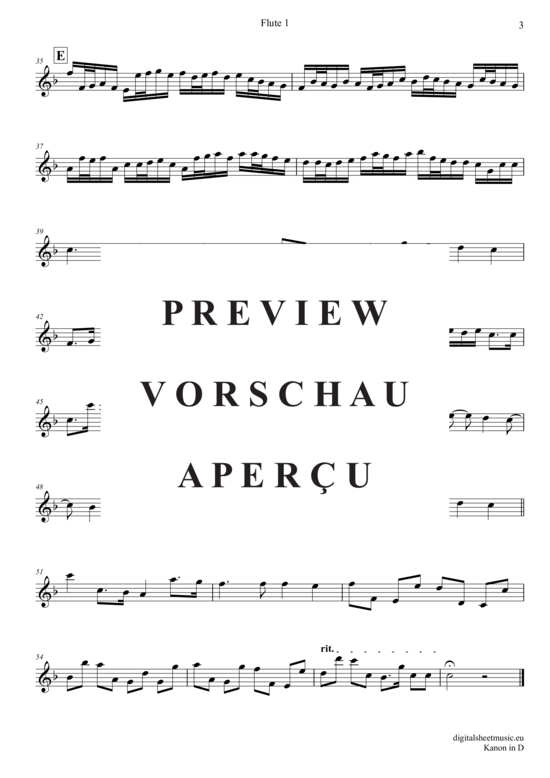
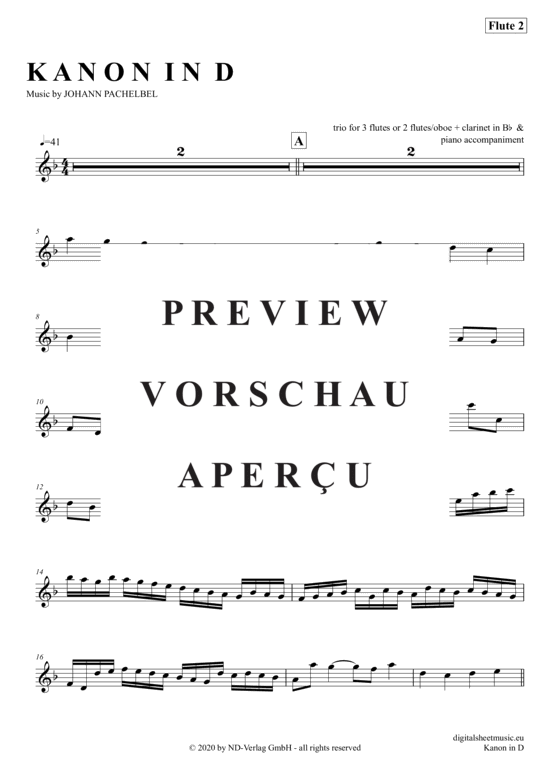
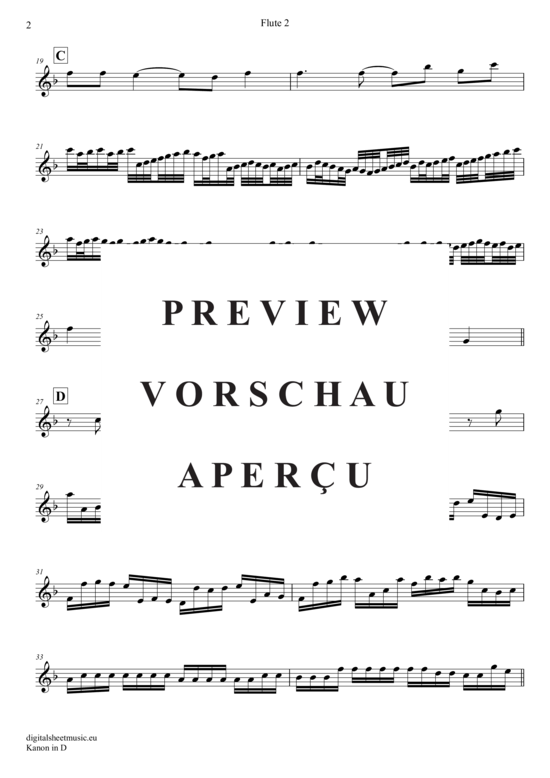
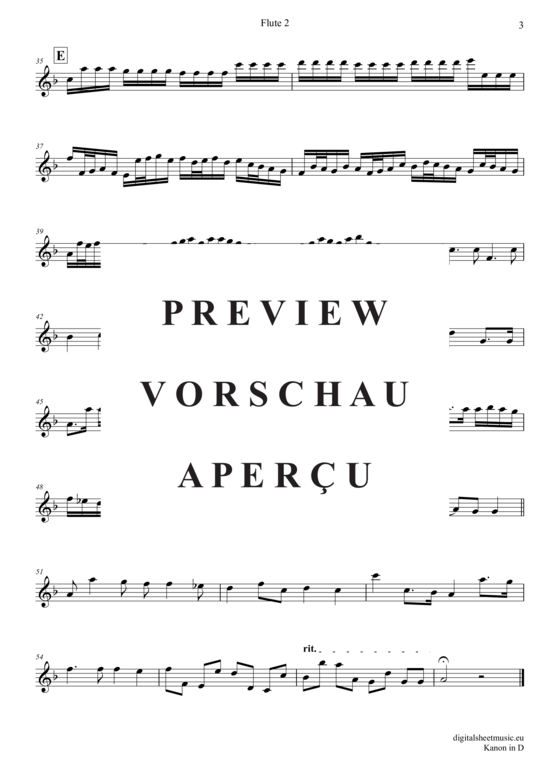
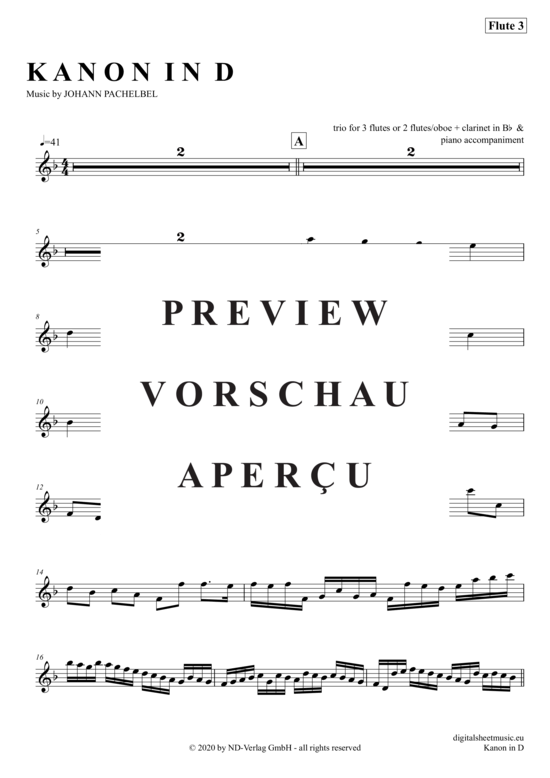
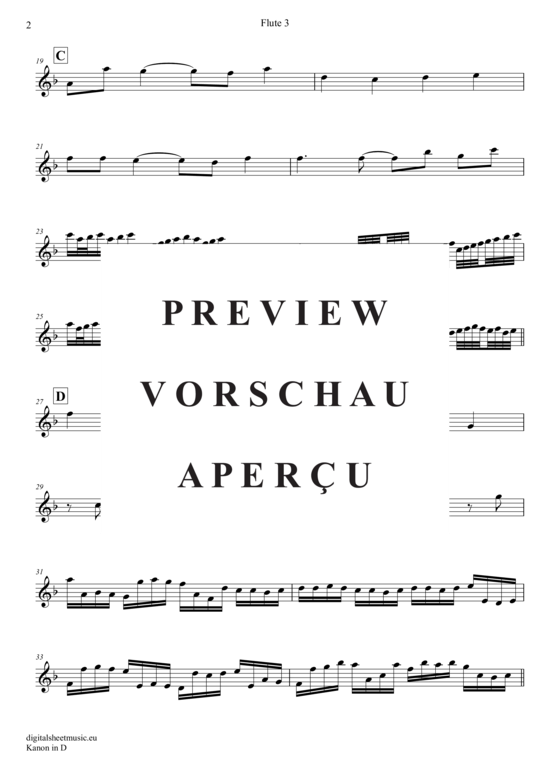
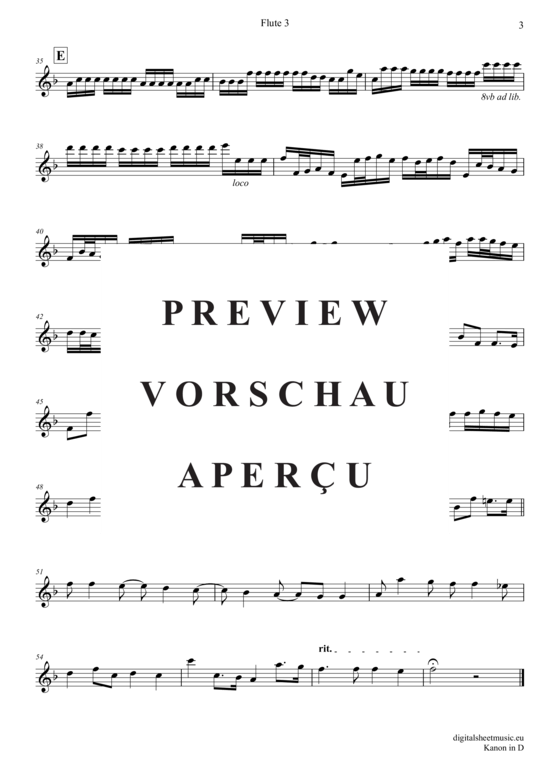
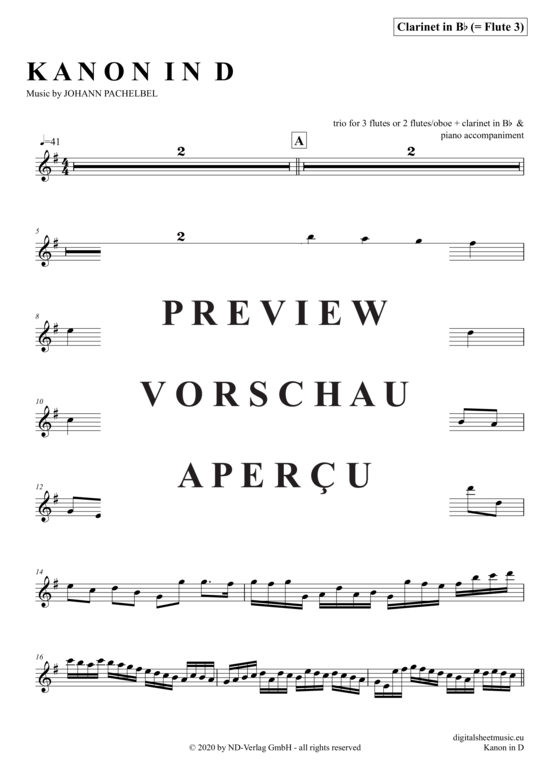
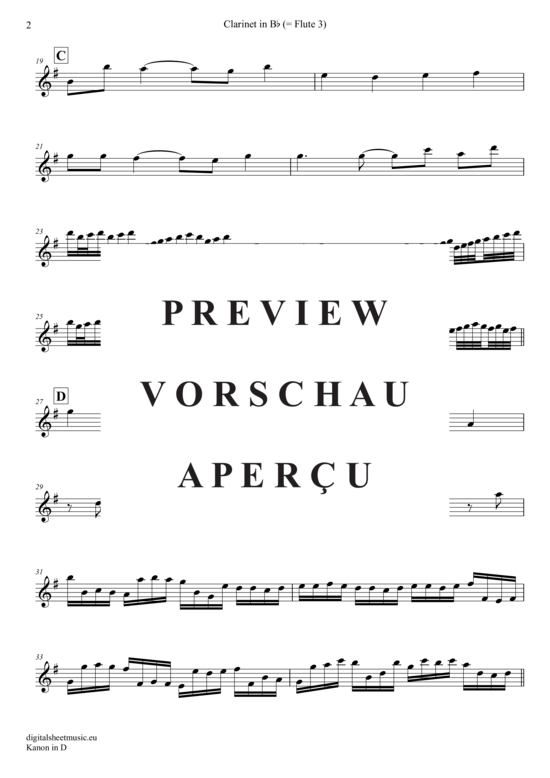
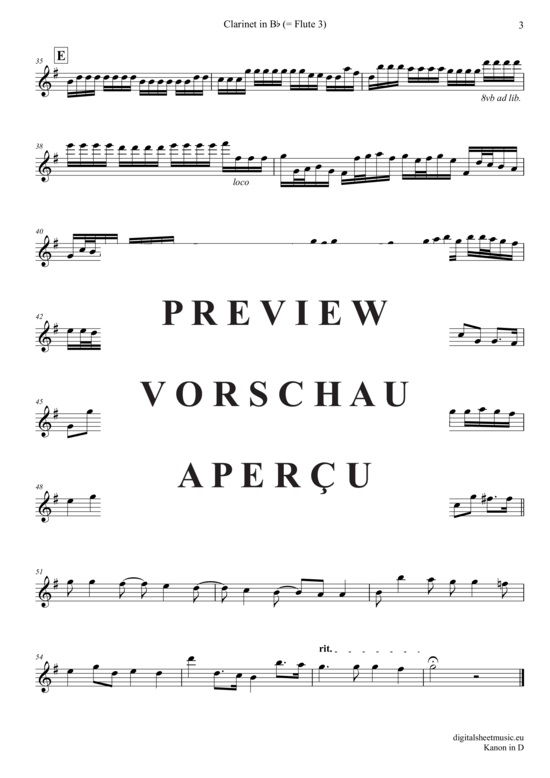
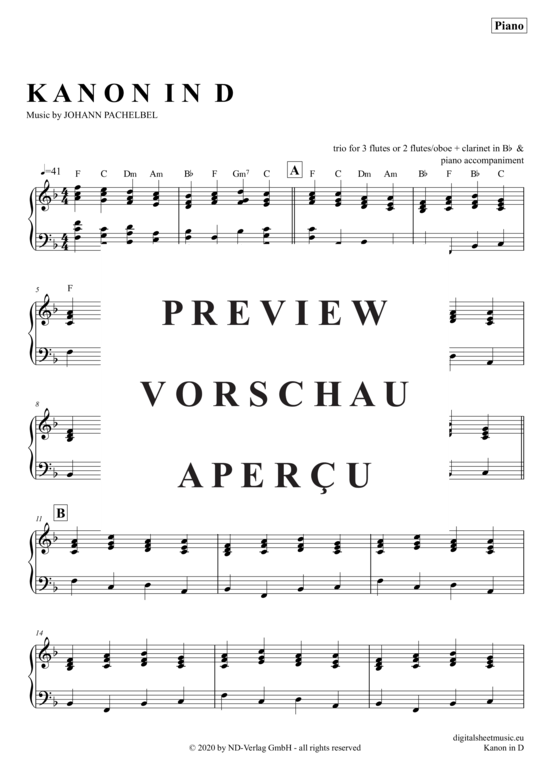
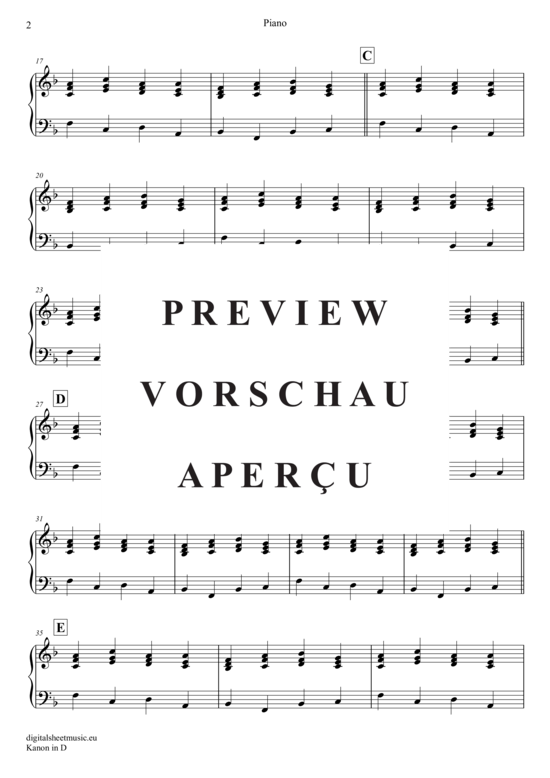
Kanon In D - Sheet Music for flute trio + piano Johann Pachelbel








 100% Legal & Licensed
 Verified by Musicians
 No Subscription. One-Time Purchase.
 Instant Download after Purchase
Product Description
Pachelbel's Canon is one of the most celebrated works in Baroque music — and this arrangement for flute trio and piano makes it fully accessible for ensemble performance. The flute parts are aimed at players with approximately four years of instruction. The rapid runs and occasional wide interval leaps demand genuine precision, while the consistently diatonic harmony — no excursions into foreign keys — makes the learning process noticeably more straightforward.
Sheet Music "Kanon In D" — Stately Baroque Classic for Flute Trio & Piano
Johann Pachelbel was a German composer and organist of the late 17th century. His Canon in D was most likely composed around 1680 — and has lost none of its power since. The piece is built on a simple, repeating bass motif over which the melodic voices enter in canonic imitation: each voice carries the same melodic line, staggered in its entry. This structure has made the Canon one of the most frequently performed works in the history of Western music.
In F major, the arrangement unfolds with a warm, ceremonial character. The three flute parts move with high note density — each voice carries its own line through all 57 bars. This is polyphonic voice leading — each part has its own independent melodic line, none simply doubling another. The difficulty level is rated intermediate, because while the melodic line sits comfortably in the middle to upper register, short note values and occasional leaps of more than an octave require confident fingering technique and breath control. The piano part provides harmonic support with considerable note density — coordinating all four voices demands real ensemble awareness.
   |
Working through the rapid runs one voice at a time will quickly reveal where the fingers still hesitate — and that is precisely where it pays to pull the tempo back before bringing all parts together. The wide interval leaps in the flute parts will feel most secure when approached slowly and deliberately, keeping breath support consistent throughout — especially in the upper register, where the tone needs pressure from below. In ensemble rehearsal, it helps to practice the entries of all three flutes without piano accompaniment first, so that the canonic staggering — the offset entry of each voice — becomes clearly audible.
A scrollable preview showing all 20 pages lets you see the complete arrangement before purchasing — no buying blind. A short audio demo is also available to give you an initial impression of the sound. The sheet music is available for immediate download after purchase. 100% licensed — ready to perform legally, right away.
Editorially reviewed by the notendownload.com team