

 Orders
 Addresses
 Payment methods




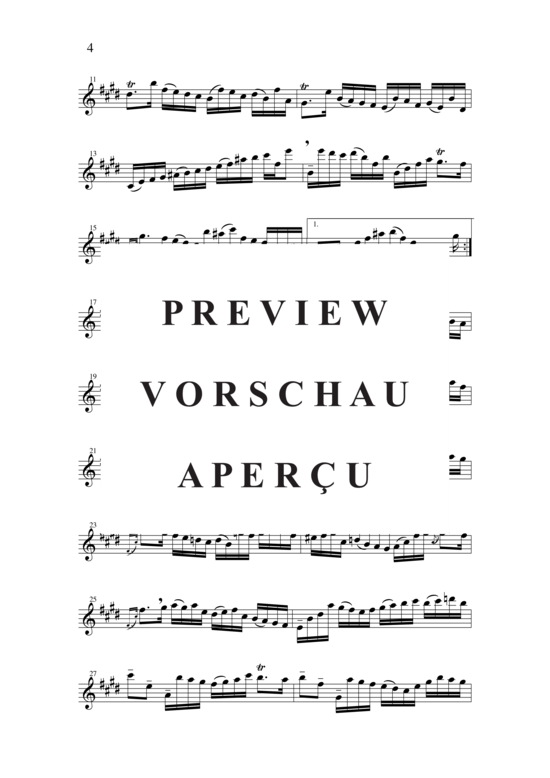
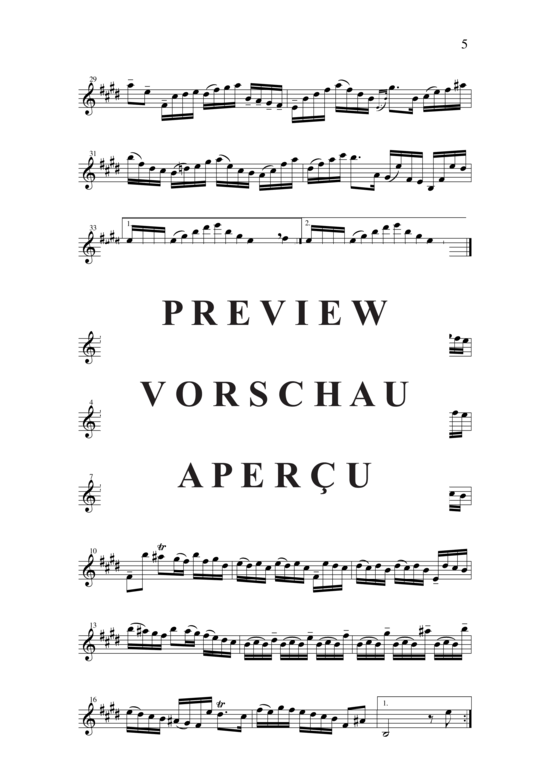
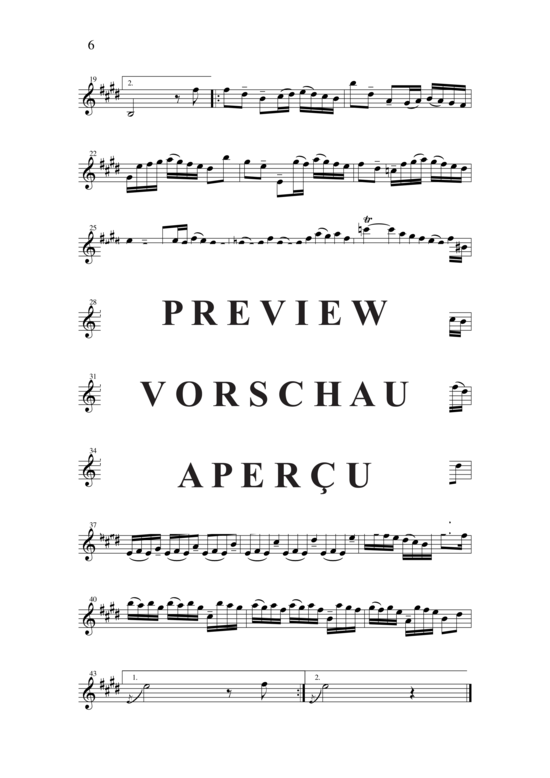
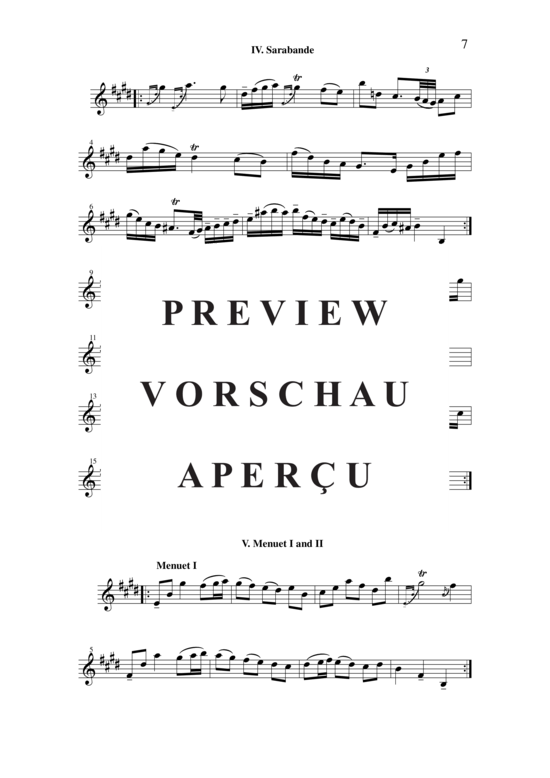
Details
| Product number: | MFJSB008 pdf |
|---|---|
| Arrangement: | Solo |
| Instruments: | Saxophone |
| Genre: | Barock |
| Era: | 1600 1750 |
| Authors: | Bach , J. S. (1685-1750) , Wehage , Paul (1963-*) |
| Pages: | 88 |
| duration: | 02:50 |
| Publisher: | Musik Fabrik Music Publishing |
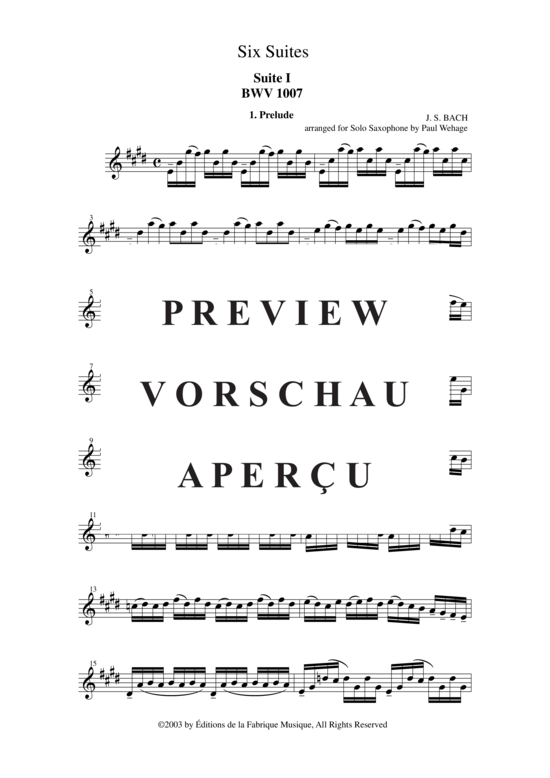
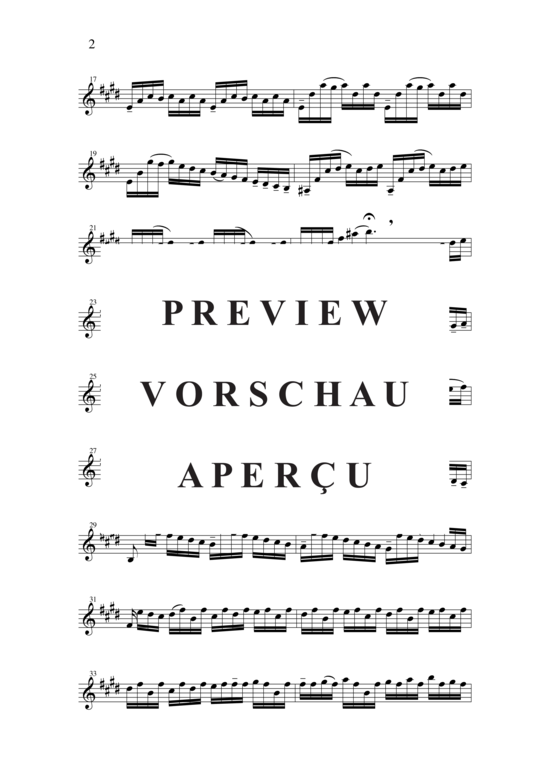
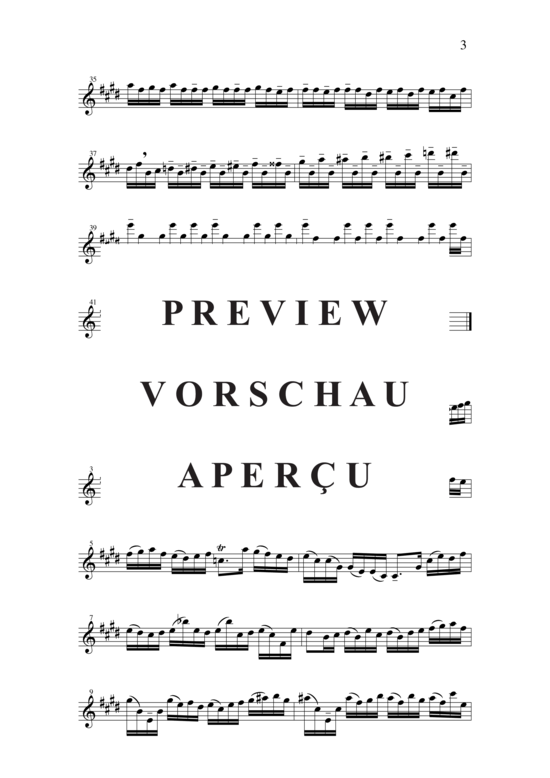
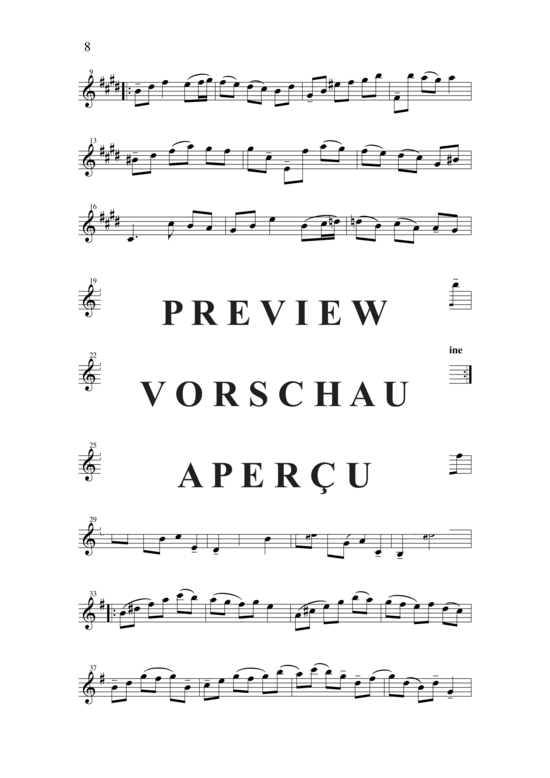
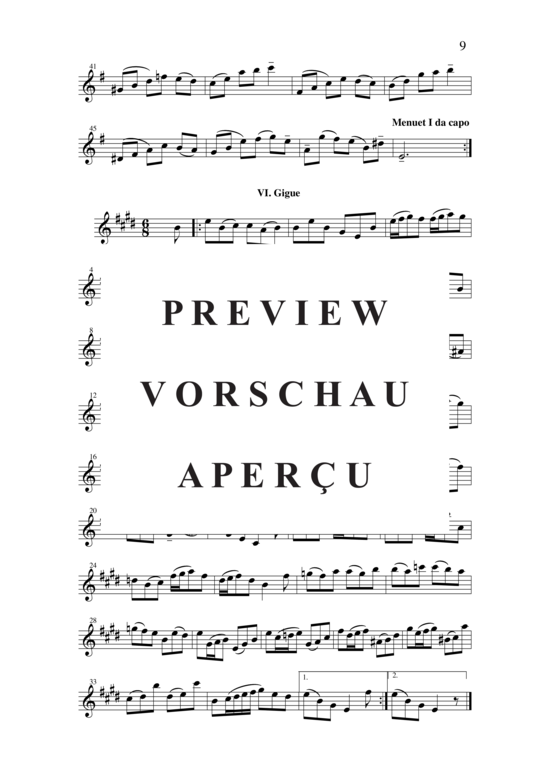
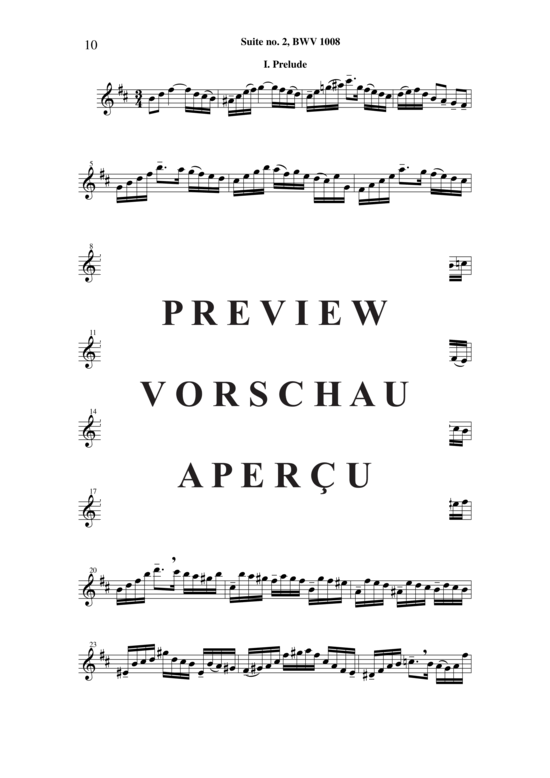
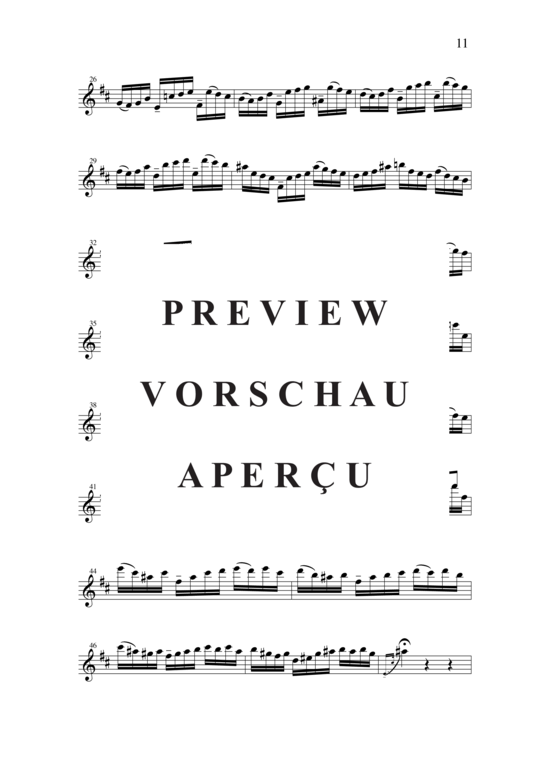
Sechs Cello Suiten BWV 1007-1012 - Sheet Music for Saxophon Solo J. S. Bach
Sheet Music PDF Download
Solo








 100% Legal & Licensed
 Verified by Musicians
 No Subscription. One-Time Purchase.
 Instant Download after Purchase
Details
| Product number: | MFJSB008 pdf |
|---|---|
| Arrangement: | Solo |
| Instruments: | Saxophone |
| Genre: | Barock |
| Era: | 1600 1750 |
| Authors: | Bach , J. S. (1685-1750) , Wehage , Paul (1963-*) |
| Pages: | 88 |
| duration: | 02:50 |
| Publisher: | Musik Fabrik Music Publishing |
Product Description
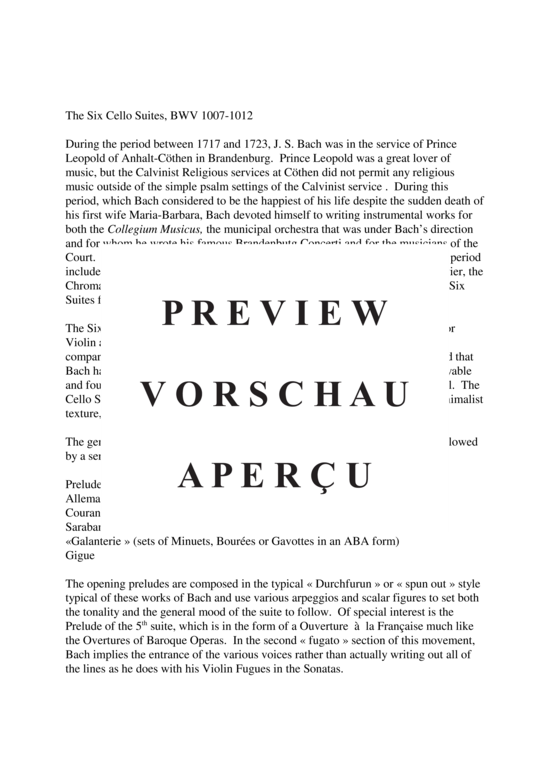
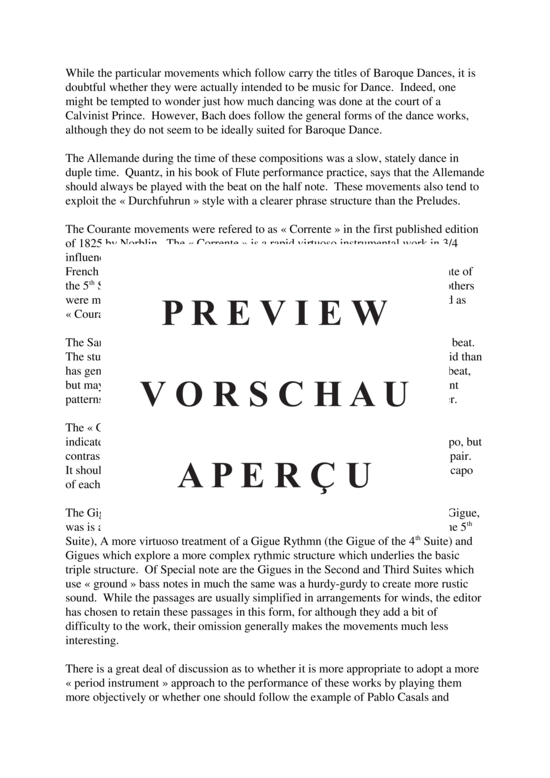
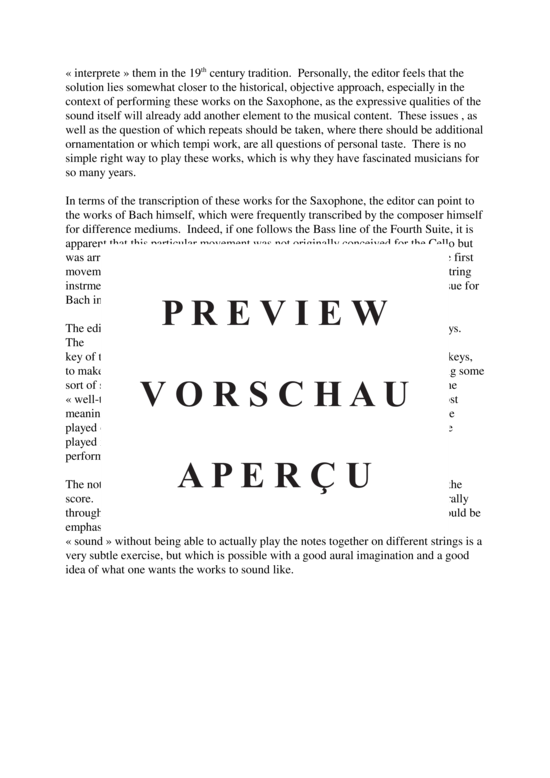
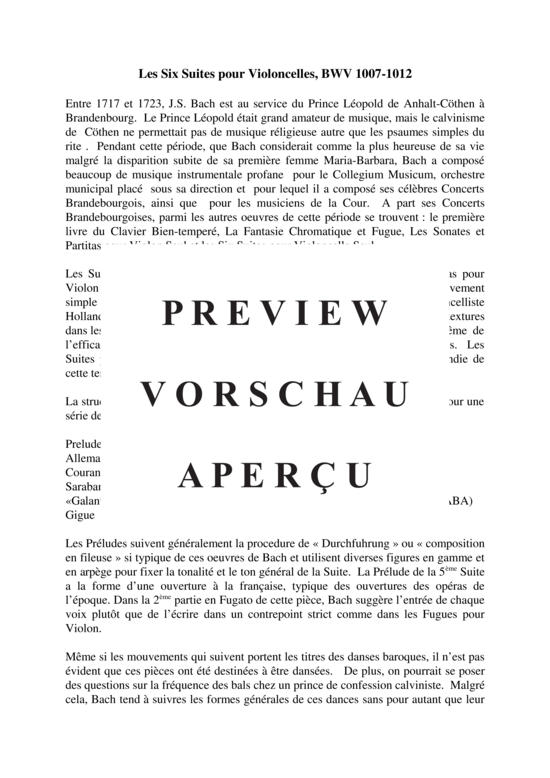
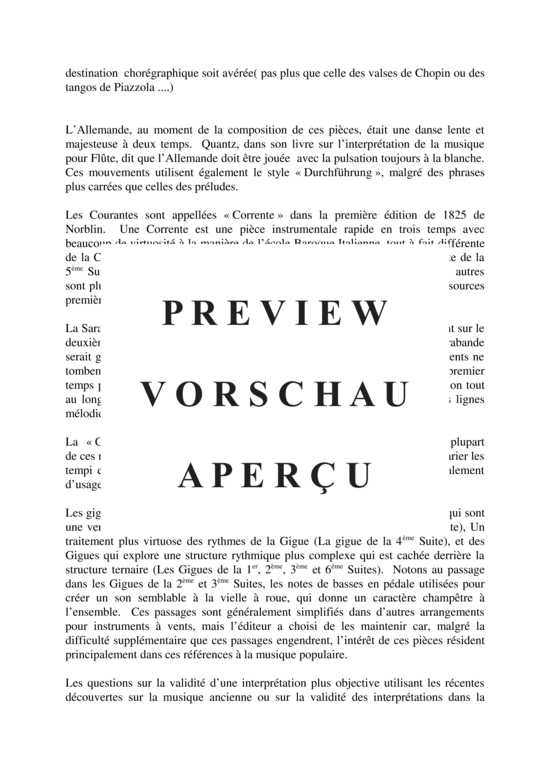
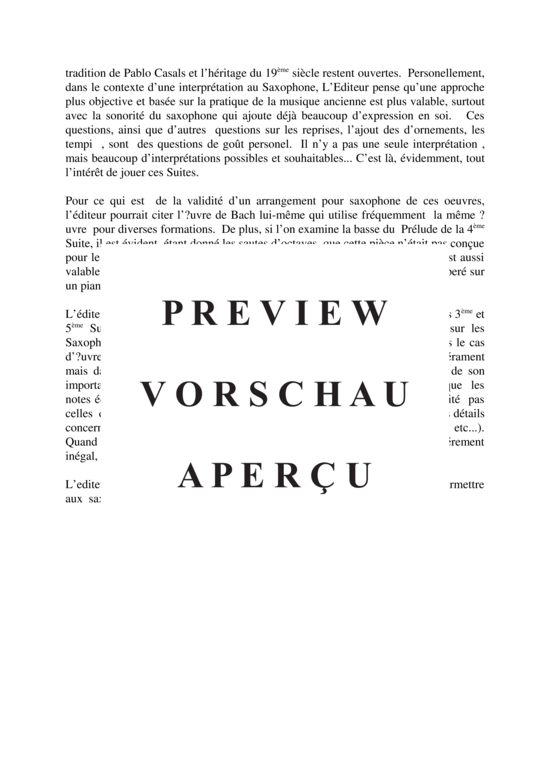
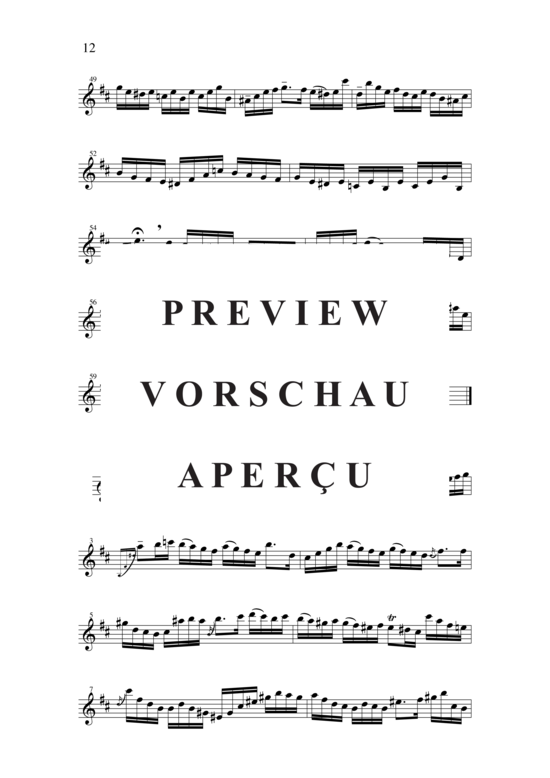
The Six Cello Suites, BWV 1007-1012During the period between 1717 and 1723, J. S. Bach was in the service of PrinceLeopold of Anhalt-Cöthen in Brandenburg. Prince Leopold was a great lover ofmusic, but the Calvinist Religious services at Cöthen did not permit any religiousmusic outside of the simple psalm settings of the Calvinist service . During thisperiod, which Bach considered to be the happiest of his life despite the sudden death ofhis first wife Maria-Barbara, Bach devoted himself to writing instrumental works forboth the Collegium Musicus, the municipal orchestra that was under Bach?s directionand for whom he wrote his famous Brandenbutg Concerti and for the musicians of theCourt. Apart from the Brandenburg Concerti, other works which date from this periodinclude several of the orchestral suites, the first book of the Well-tempered Clavier, theChromatic Fantasy and Fugue, the Solo Sontates and Partitas for Violin and the SixSuites for Cello.The Six Cello Suites were written after the series of Solo Sonatas and Partitas forViolin and what is especially striking is the relative simplisticity of texture incomparison to the Violin works. The Dutch Cellist Anner Byslma has suggested thatBach had to simply the fugue movements of the Violin works to make them playableand found that the simplified textures implied the harmonic structure just as well. TheCello Suites would be, according to Bylsma, a further exploration of a more minimalisttexture, which would account for the relative lack of ornamentation.The general structure for each of the six suites is similar, an opening prelude followedby a series of Dance movements in the following order:PreludeAllemandeCouranteSarabande«Galanterie » (sets of Minuets, Bourées or Gavottes in an ABA form)GigueThe opening preludes are composed in the typical « Durchfurun » or « spun out » styletypical of these works of Bach and use various arpeggios and scalar figures to set boththe tonality and the general mood of the suite to follow. Of special interest is thePrelude of the 5th suite, which is in the form of a Ouverture à la Française much likethe Overtures of Baroque Operas. In the second « fugato » section of this movement,Bach implies the entrance of the various voices rather than actually writing out all ofthe lines as he does with his Violin Fugues in the Sonatas.While the particular movements which follow carry the titles of Baroque Dances, it isdoubtful whether they were actually intended to be music for Dance. Indeed, onemight be tempted to wonder just how much dancing was done at the court of aCalvinist Prince. However, Bach does follow the general forms of the dance works,although they do not seem to be ideally suited for Baroque Dance.The Allemande during the time of these compositions was a slow, stately dance induple time. Quantz, in his book of Flute performance practice, says that the Allemandeshould always be played with the beat on the half note. These movements also tend toexploit the « Durchfuhrun » style with a clearer phrase structure than the Preludes.The Courante movements were refered to as « Corrente » in the first published editionof 1825 by Norblin. The « Corrente » is a rapid virtuoso instrumental work in 3/4influenced by the Italian school, as opposed to the slower Courante which was aFrench Court Dance which was danced in Six beats to the measure. The Courante ofthe 5th Suite would seem to be more of a true Courante. It would seem that the otherswere more influenced by the « Corrente » style, although they are clearly marked as« Courante » in the manuscript sources.The Sarabande is a slow dance in ¾ with the usual accents falling on the second beat.The study of Baroque Dance would indicate that the Sarabande is a bit more rapid thanhas generally been though and that the accents do not always fall on the second beat,but may fall on the first beat for melodic interest. Bach frequently changes accentpatterns throughout these Suites, so one must follow one?s instincts in this matter.The « Galanterie » or optional dances follow more closely the forms which areindicated by the Dances. Most of these movements would indicate a steady tempo, butcontrasting tempi and dynamics should be explored in the second dance of each pair.It should be noted that it was common practice to omit the repeats during the da capoof each first dance.The Gigue movements may be divided into three seperate groups , The French Gigue,was is a more simplified version of a standard dance movement, (the Gigue of the 5thSuite), A more virtuoso treatment of a Gigue Rythmn (the Gigue of the 4th Suite) andGigues which explore a more complex rythmic structure which underlies the basictriple structure. Of Special note are the Gigues in the Second and Third Suites whichuse « ground » bass notes in much the same was a hurdy-gurdy to create more rusticsound. While the passages are usually simplified in arrangements for winds, the editorhas chosen to retain these passages in this form, for although they add a bit ofdifficulty to the work, their omission generally makes the movements much lessinteresting.There is a great deal of discussion as to whether it is more appropriate to adopt a more« period instrument » approach to the performance of these works by playing themmore objectively or whether one should follow the example of Pablo Casals and« interprete » them in the 19th century tradition. Personally, the editor feels that thesolution lies somewhat closer to the historical, objective approach, especially in thecontext of performing these works on the Saxophone, as the expressive qualities of thesound itself will already add another element to the musical content. These issues , aswell as the question of which repeats should be taken, where there should be additionalornamentation or which tempi work, are all questions of personal taste. There is nosimple right way to play these works, which is why they have fascinated musicians forso many years.In terms of the transcription of these works for the Saxophone, the editor can point tothe works of Bach himself, which were frequently transcribed by the composer himselffor difference mediums. Indeed, if one follows the Bass line of the Fourth Suite, it isapparent that this particular movement was not originally conceived for the Cello butwas arranged from another source. It is probably that Bach himself arranged the firstmovement of the Partita for Solo Flute from a work which was originally for a stringinstrment. The change of instrumentation does not appear to be an important issue forBach in these particular works.The editor has chosen to present the 1st 2nd , 4th, and 6th suites in their original keys.The key of the 3rd and 5th Suites are both presented one tone higher than the original keys,to make the works playable on the Alto Saxophone. The idea of tonalities having somesort of special colour is certainly true in music which uses mean tuning, but in the« well-tempered » music of Bach, equal tuning makes these considerations almostmeaningless. In any case, the notes that Bach heard were not the notes which areplayed on modern instruments. Until we have Saxophones which are made to beplayed in tune at 415 instead of 442, these issues do not really have bearing onperformance.The notation of the chords as grace notes is intended to facilitate the reading of thescore. However, the harmonies and linear content implied should be sensed aurallythrough an effective use of ressonance and line. In general, the lowest notes should beemphasised to indicate the underlying harmonic structure. Making the chords« sound » without being able to actually play the notes together on different strings is avery subtle exercise, but which is possible with a good aural imagination and a goodidea of what one wants the works to sound like.
Product Reviews
Login