

 Orders
 Addresses
 Payment methods




Details
| Product number: | PZA80001 pdf |
|---|---|
| Arrangement: | Duet |
| Instruments: | Euphonium , Piano |
| Genre: | Classical |
| Era: | Contemporary |
| Duet: | Piano & Euphonium |
| Difficulty: | Very Difficult |
| Experience: | Advanced (8+ years) |
| Authors: | Barat , J. Edgar |
| Pages: | 21 |
| duration: | 09:42 |
| Publisher: | Potenza Music Publishing |
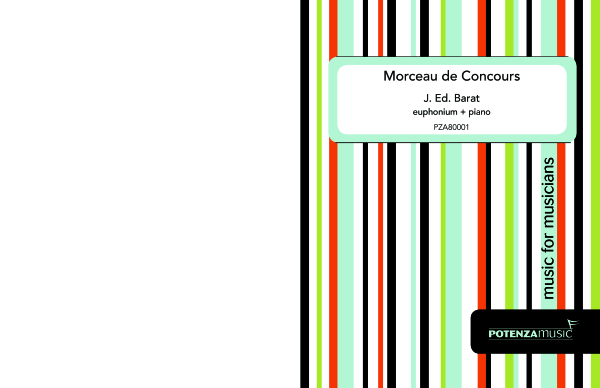
Morceau de Concours - Sheet Music for euphonium and piano J. Edgar Barat








 100% Legal & Licensed
 Verified by Musicians
 No Subscription. One-Time Purchase.
 Instant Download after Purchase
Details
| Product number: | PZA80001 pdf |
|---|---|
| Arrangement: | Duet |
| Instruments: | Euphonium , Piano |
| Genre: | Classical |
| Era: | Contemporary |
| Duet: | Piano & Euphonium |
| Difficulty: | Very Difficult |
| Experience: | Advanced (8+ years) |
| Authors: | Barat , J. Edgar |
| Pages: | 21 |
| duration: | 09:42 |
| Publisher: | Potenza Music Publishing |
Product Description
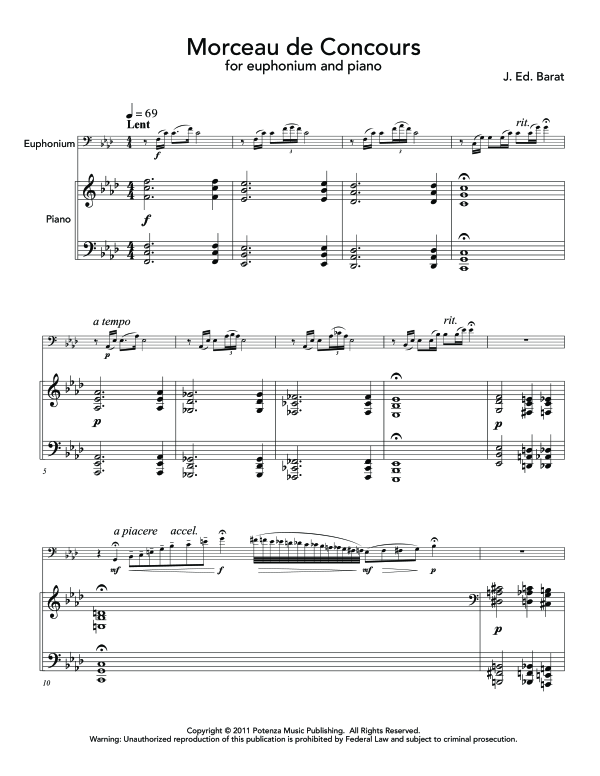
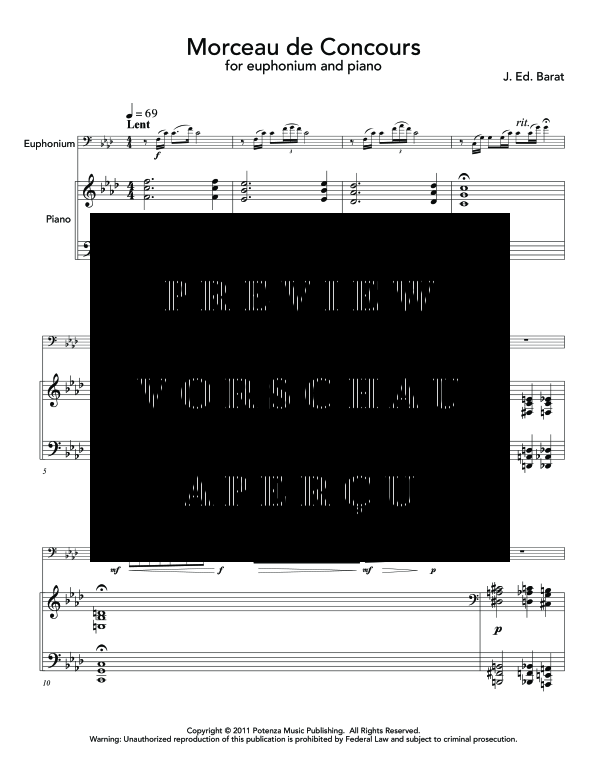
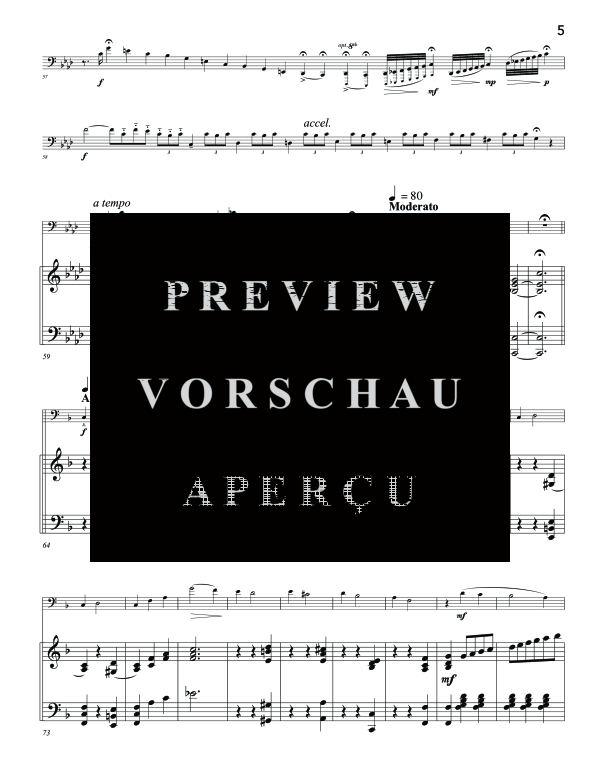
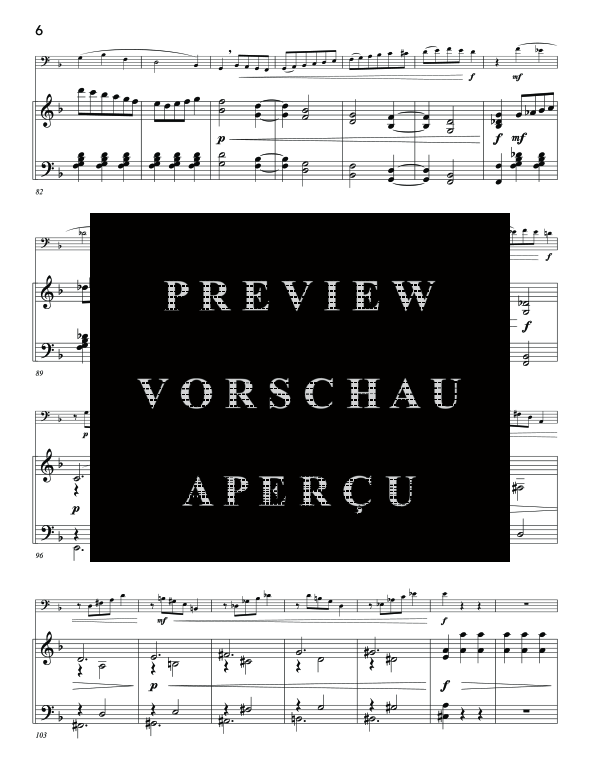
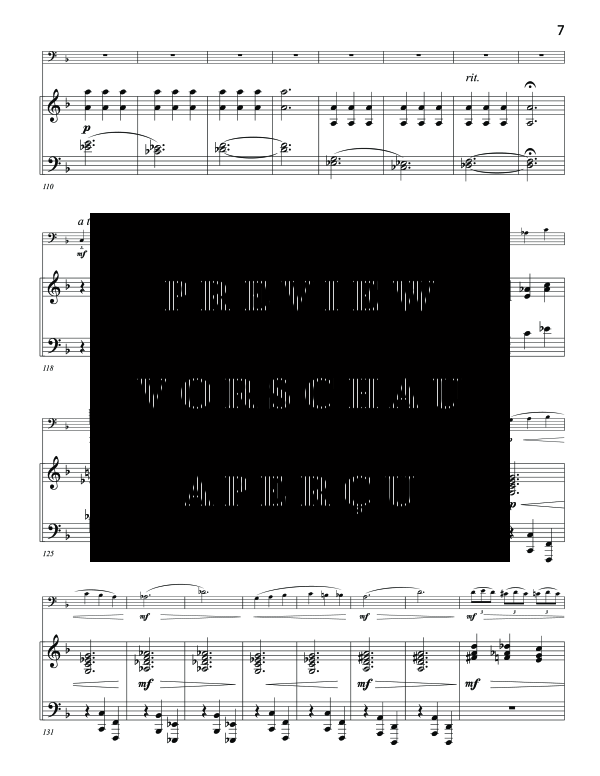
Anyone wishing to perform the Morceau de Concours on euphonium needs genuine experience and real stamina. The euphonium part for this work by J. Edgar Barat is aimed at players with approximately eight or more years of study: a range spanning over two and a half octaves, rapid passage work, and polyphonically independent voices demand complete command of embouchure, breath support, and phrasing.
Euphonium Sheet Music "Morceau de Concours" – French Concert Piece for Euphonium & Piano
Joseph Eduard Barat (1882–1963) was a conductor, composer, and bandmaster of the French Army Band. He wrote for virtually all wind instruments — and the Morceau de Concours remains to this day one of the central works in the euphonium repertoire. The piece follows the characteristic format of Paris Conservatoire competition pieces: a slow, freely structured opening, followed by increasingly technically demanding passages leading to an accelerated conclusion.
The euphonium part spans a wide range — the notation is written in transposing pitch, as is standard for this instrument. Set in F minor, the piece is defined by a deeply melancholic character that moves through harmonically far-reaching regions — repeatedly departing from the home key and returning with altered weight. The detached, detailed articulation with short slurs demands precise tonguing and clean separation of notes — not a legato wash, but clearly shaped individual phrases.

- Main challenge: several rapid passages (runs / short note values), contrasting rhythmic patterns in both parts simultaneously
- Ideal for: competition, concert, examination preparation in the style of the French wind school
- Tempo: 68 – calm and flowing
Rapid passage work is best secured by practising each run note by note in isolation first — only then in context with the piano accompaniment. To clearly hear the rhythmic differences between the euphonium and piano parts, play both parts aloud in turn — including the piano part. Dynamics are decisive here: the piece calls for a clearly perceptible contrast between piano and forte — sharply defined dynamic contrasts make the emotional arc of the composition audible. Harmonically, the piece moves far from the home key — a well-developed inner ear will help you maintain your bearings through the modulating passages.
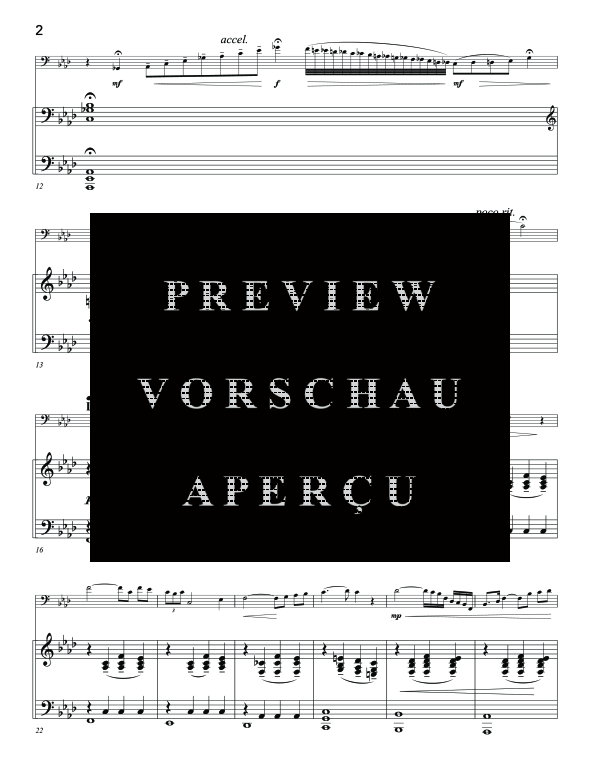
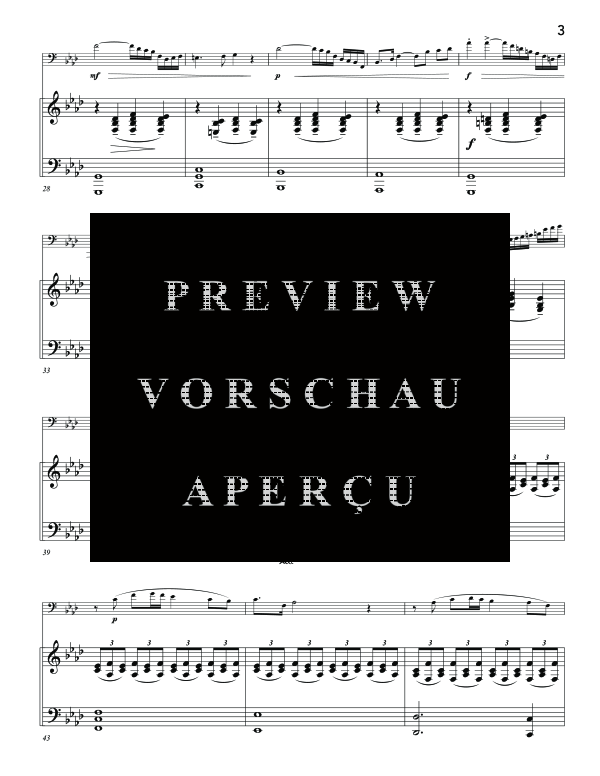
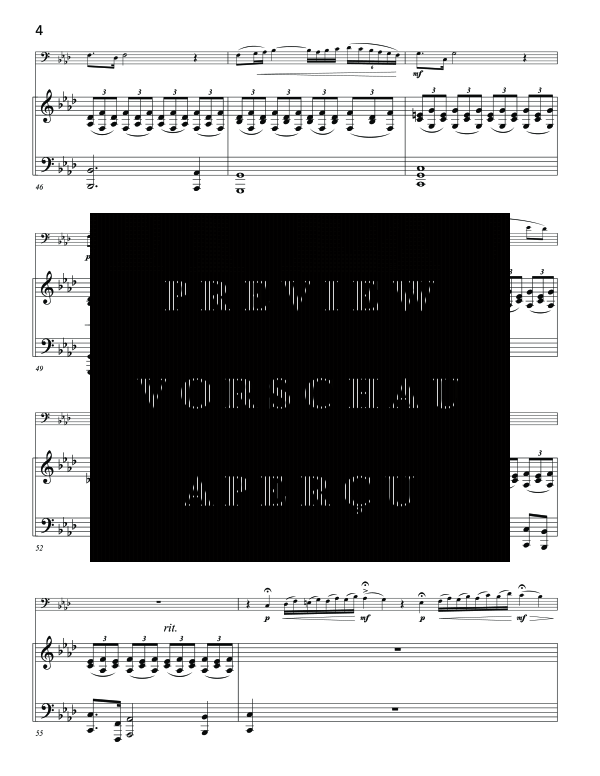
A scrollable score preview of all 21 pages is available before purchase — so you can see exactly what you are getting. The sheet music is available for immediate download after purchase. 100% licensed — ready to perform legally, right away.
Editorially reviewed by the notendownload.com team
