

 Orders
 Addresses
 Payment methods



Details
| Product number: | MHL0202 pdf |
|---|---|
| Arrangement: | Duet |
| Instruments: | Horn |
| Genre: | Romantic |
| Era: | 19. Jahrhundert |
| Duet: | Brass Duet |
| Authors: | Dauprat , Louis François (1781-1868) |
| Pages: | 47 |
| arrangers: | Bourgue , Daniel |
| Publisher: | McCoys Horn Library |
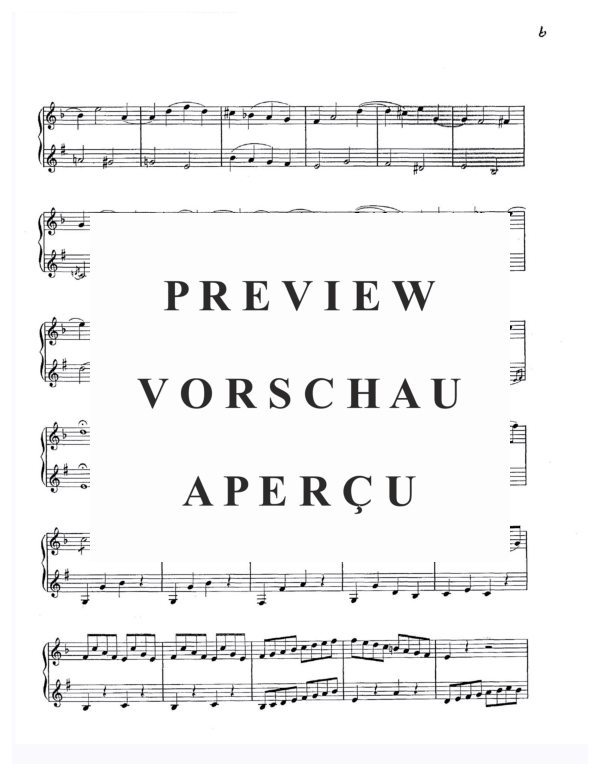
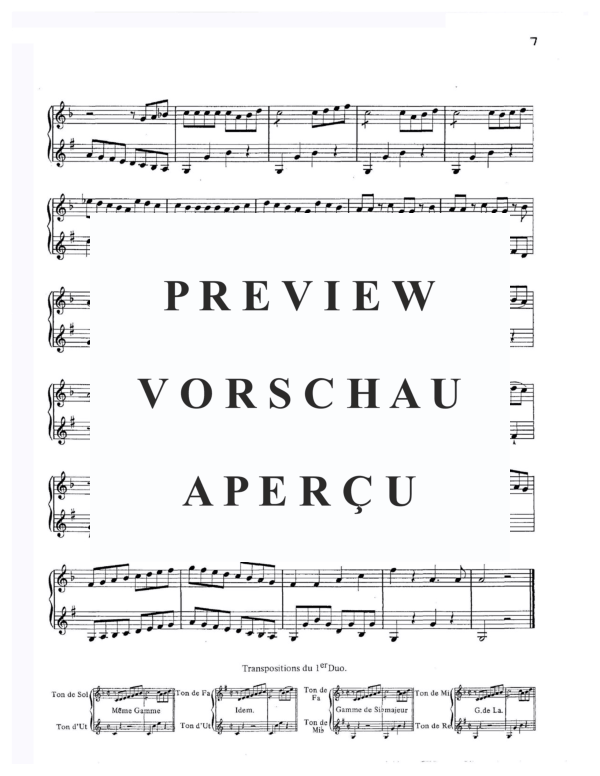
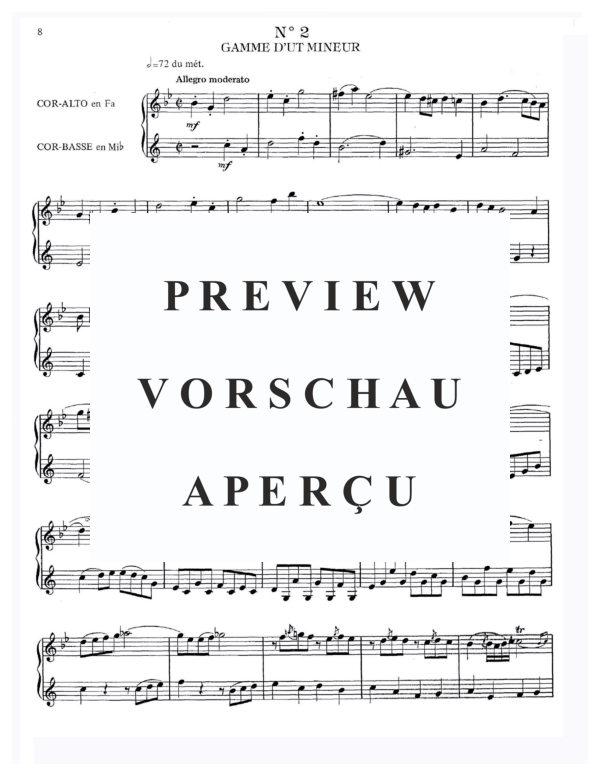
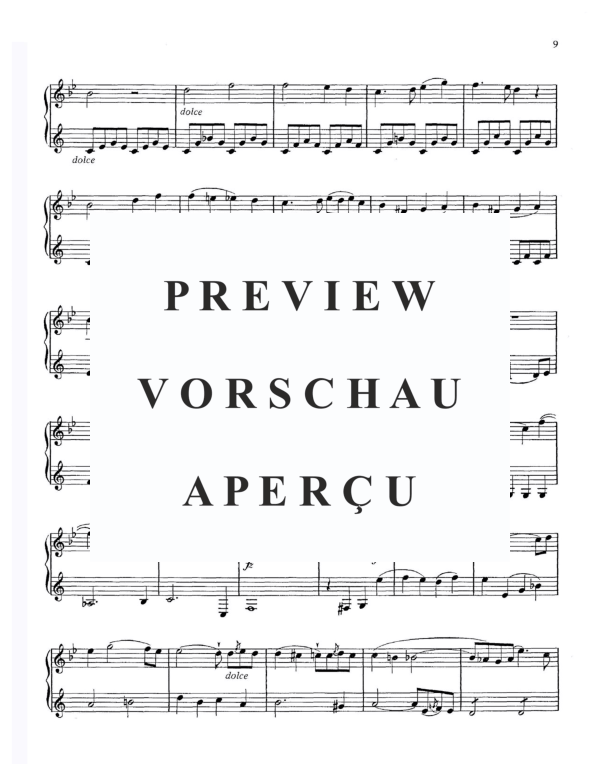
20 Duos for Horns in Different Keys - Sheet Music for Horn Duet Louis François Dauprat








 100% Legal & Licensed
 Verified by Musicians
 No Subscription. One-Time Purchase.
 Instant Download after Purchase
Details
| Product number: | MHL0202 pdf |
|---|---|
| Arrangement: | Duet |
| Instruments: | Horn |
| Genre: | Romantic |
| Era: | 19. Jahrhundert |
| Duet: | Brass Duet |
| Authors: | Dauprat , Louis François (1781-1868) |
| Pages: | 47 |
| arrangers: | Bourgue , Daniel |
| Publisher: | McCoys Horn Library |
Product Description
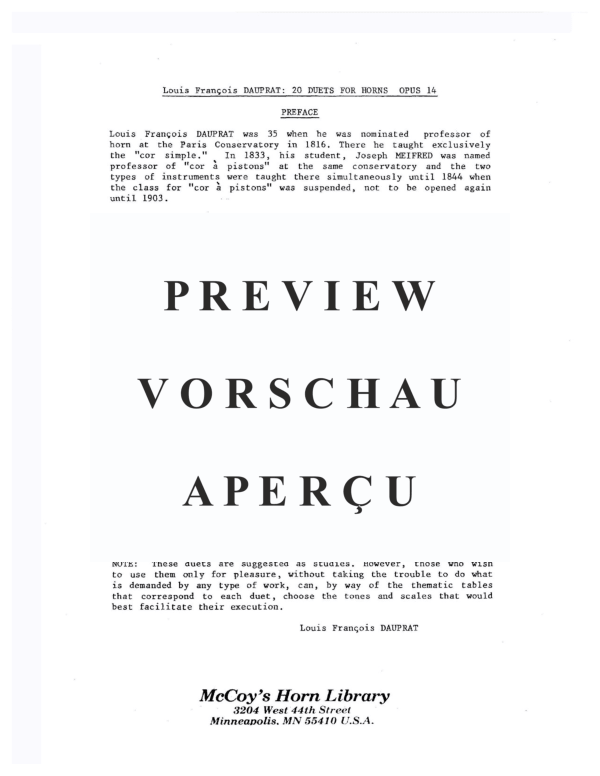
Louis François Dauprat was 35 years old when he was appointed Professor of Horn at the Paris Conservatory in 1816. There he taught exclusively the "Cor simple". In 1833 his student Joseph Meifred was appointed Professor of "Cor à pistons" at the same Conservatory, and both instrument types were taught there simultaneously until 1844, after which the "Cor à pistons" class remained closed until 1903.
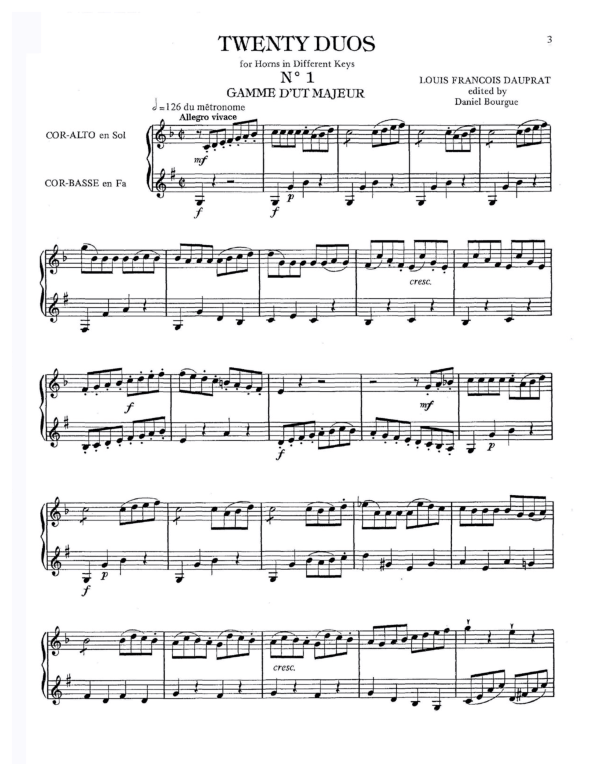
Dauprat, author of an important method for "Cor simple", regarded the "Cor à pistons" as a necessary evil. With the spread of valve horns, the hornist faced a new problem: transposition. To solve this, he composed these duos as studies so that the hornist could practice the notes and playing in every corresponding key.
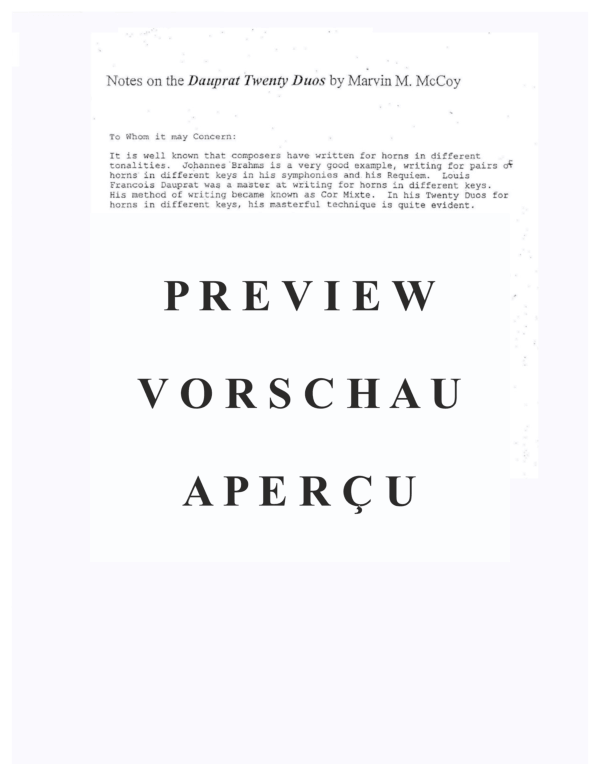
Frédéric Duvernoy, Dauprat's predecessor at the Conservatory, had abolished the previously used designations "first" and "second" horn and reduced the instrument to a range of about two octaves. Duvernoy taught this particular classification. Dauprat wanted to put an end to this "Cor mixte" system, which he considered too monotonous. He had the idea of two instruments with different bores, which he called "Cor alto" and "Cor basse". He believed that the designations "first" and "second" horn were disadvantageous for the second horn, as they implied lower pay.
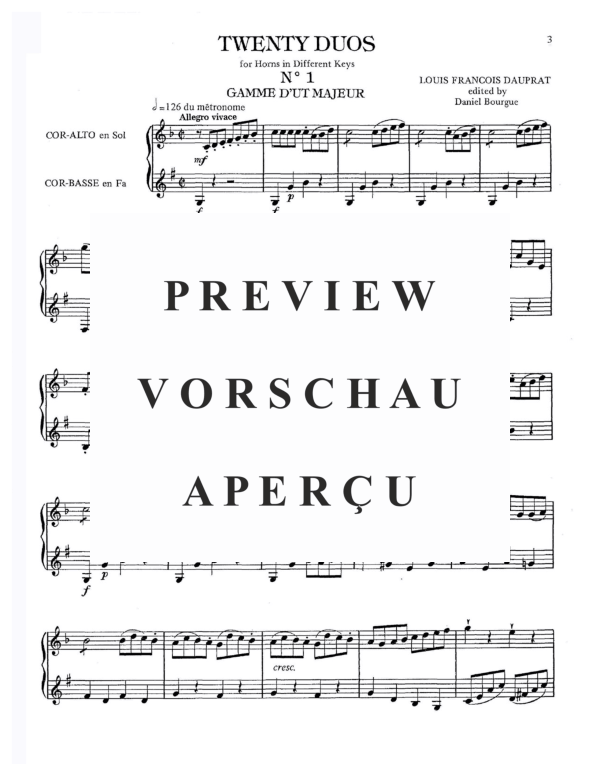
In these duos can be found the designations "Cor alto" and "Cor basse". However, some of them are intended for two "Cor basse" horns.
Dauprat's legacy has been preserved.